At the end of November 2025, approximately 6,000 Airbus A320 family aircraft were grounded for emergency software updates after engineers discovered a critical vulnerability in flight-control systems linked to solar radiation exposure. 1 Fortunately, for many airlines, the fixes were quickly implemented since the directive required action before the next passenger flight.
By early December, most aircraft were back in service. Crisis averted. But the incident raises a provocative question for the automotive industry: what if this happened to cars instead of planes?
Airbus grounded 6,000 aircraft worldwide. Now consider a major automotive OEM – Toyota, Volkswagen Group, or General Motors routinely have 10-15 million vehicles on the road at any given time in a single market. That’s not 6,000 units; it’s thousands of times more.
Without robust Over-the-Air (OTA) update capabilities, a critical software vulnerability affecting braking systems or battery management would require a traditional recall: every vehicle visiting a service center for manual updates. Service centers would be overwhelmed. Appointment waiting times would stretch from days into months. Millions of vehicles would either remain on the road with known vulnerabilities or sit idle.
Grinding society to a halt
The Airbus incident disrupted operations enough for the CEO to issue a public apology. Now imagine that scenario playing out across millions of privately-owned vehicles, with individual owners trying to book appointments at overwhelmed service centers.
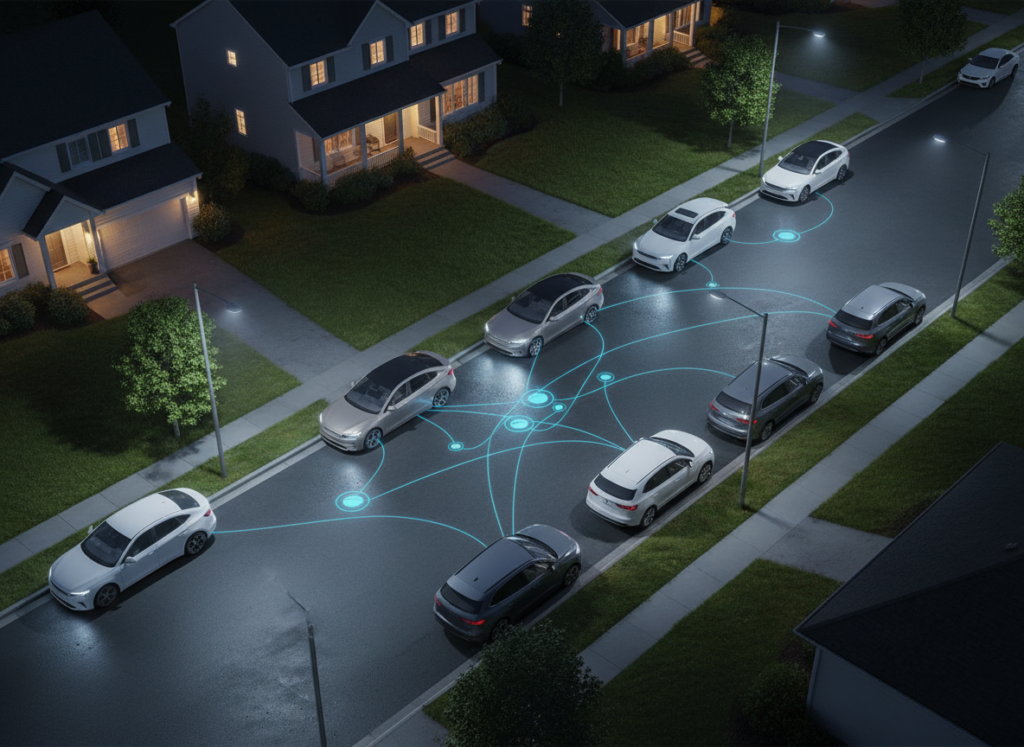
With robust OTA capabilities, vulnerabilities affecting millions of vehicles can be addressed remotely, efficiently, and quickly. Updates deploy over cellular or WiFi networks while vehicles are parked overnight. Deployment can be orchestrated
gradually – testing with small populations first, then expanding once validated. Vehicles remain operational throughout.
The A320 situation required each aircraft to be accessed directly by maintenance personnel. This approach works for a small fleet with centralized operations. It does not scale to millions of distributed consumer vehicles.
1 https://www.aerotime.aero/articles/airbus-a320-recall-nears-end-fixes-almost-complete
The standardization imperative
Aviation benefits from standardized maintenance procedures and certifications. When an emergency directive goes out, the ecosystem responds efficiently because it operates on common frameworks.
The automotive industry faces a choice: continue with fragmented, proprietary OTA approaches creating complexity for suppliers, or embrace standardization enabling the entire supply chain to work together efficiently when critical updates are needed.
When millions of vehicles require urgent software updates, standardized OTA infrastructure means suppliers know how to develop compatible updates, testing procedures follow established protocols, security frameworks are consistently applied, and rollback mechanisms work predictably. The entire ecosystem operates more efficiently because everyone works from the same playbook.
The question ahead
Today’s vehicles contain more lines of code than many commercial aircraft. As software becomes more central to vehicle function, the ability to maintain, update, and improve that software remotely becomes essential rather than optional.
The question isn’t whether the automotive industry will need robust OTA capabilities. It’s whether OEMs will implement them before or after facing their own “6,000 aircraft grounded” moment, except with millions of vehicles instead of thousands of planes, and far more significant impacts on everyday life.
Standardized OTA isn’t about convenience or competitive advantage. It’s about ensuring that when software issues emerge – and they will – manufacturers have the infrastructure to respond rapidly, efficiently, and at scale. Because the alternative: millions of vehicles waiting for manual updates while service centers struggle with unprecedented demand – isn’t just inefficient. For vehicles providing essential transportation for daily life, it would be genuinely disruptive to society.





![eSyncCES2025_Edit[33]](https://esyncalliance.org/wp-content/uploads/2025/01/eSyncCES2025_Edit33.png)